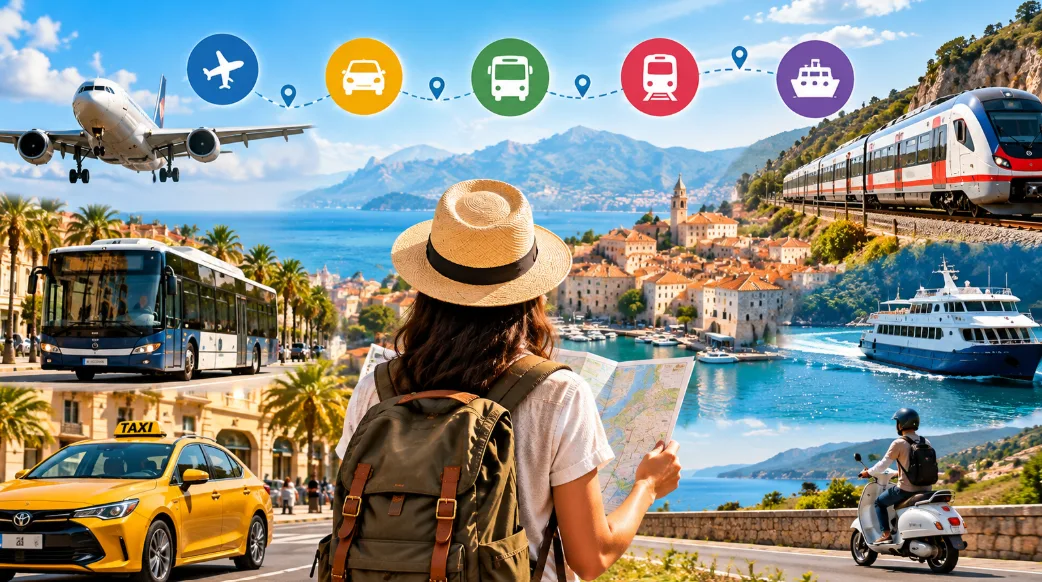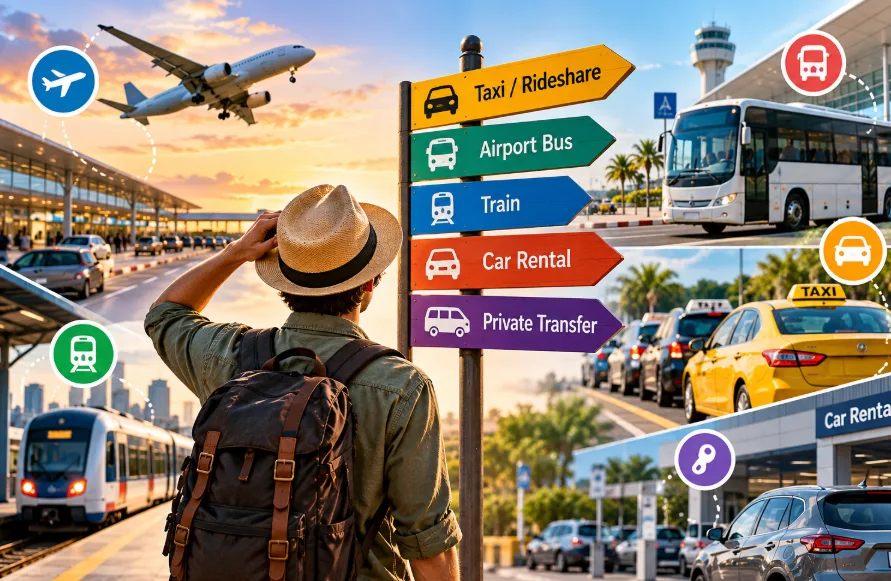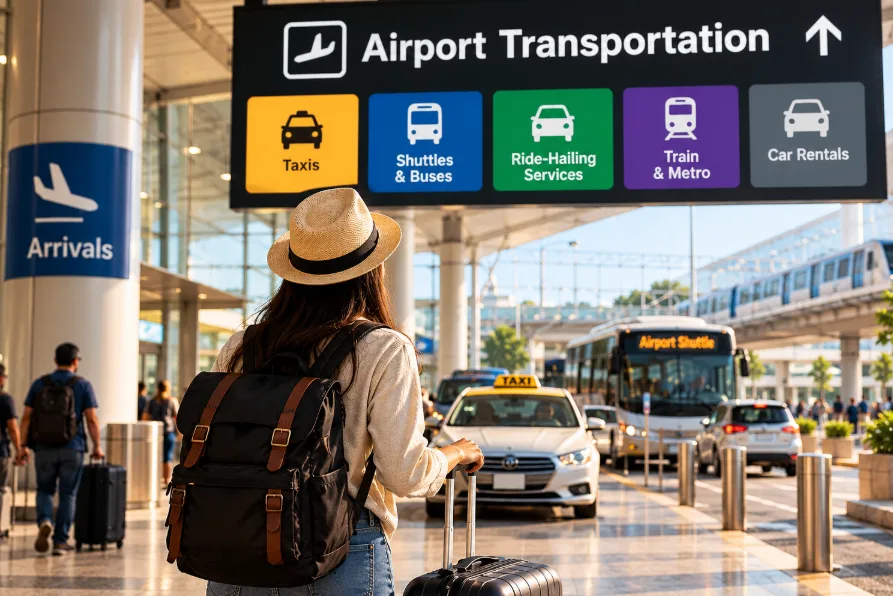
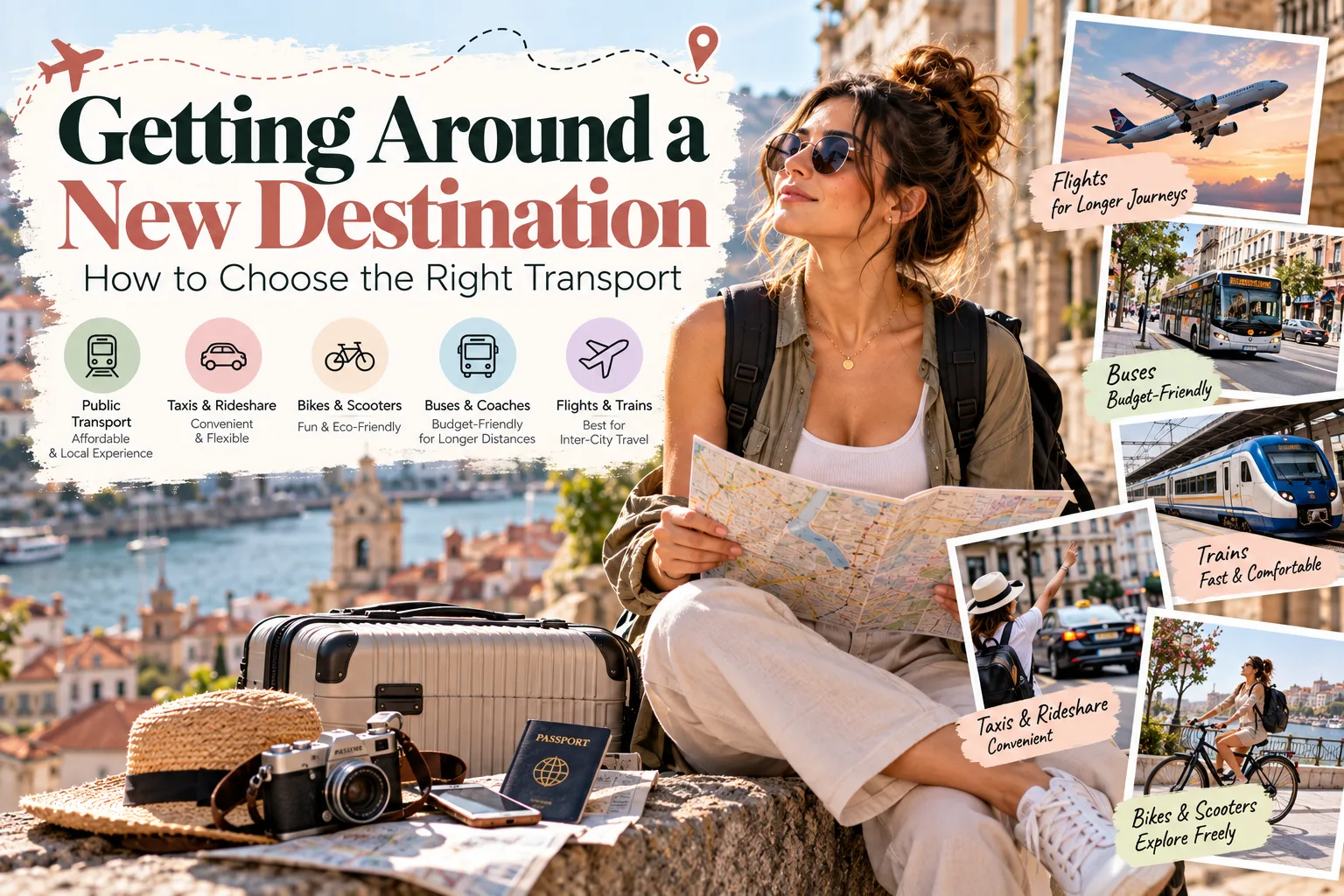
Once you've arrived at your destination, another question quickly comes up: how are you going to get around?
Some cities are designed around extensive public transportation networks, while others are easier to explore by car, taxi, bicycle, or organized tours. Choosing the right option can make a significant difference to how much you see and how much time you spend traveling between places.
Understand the Local Transport Network
Before your first full day of sightseeing, take some time to understand how the destination works.
Look at the major train lines, metro routes, bus networks, ferry services, and other options available to visitors. Understanding the basic structure of the network can make navigating the city much less intimidating.
Public transportation passes can also be worth considering if you expect to use trains, buses, or metro services frequently.
In some destinations, a pass may make repeated journeys simpler because you don't have to purchase an individual ticket every time.
Think About How You Want to Travel
There isn't one transportation method that works for every traveler.
If you enjoy moving independently and exploring neighborhoods at your own pace, local buses or trains may be ideal. If you're traveling with a group, a private vehicle may be more convenient.
For sightseeing-heavy trips, city transport options can help you move between major attractions without spending too much time figuring out routes.
The best choice depends on your itinerary rather than simply choosing the cheapest available option.
Don't Forget Water-Based Transportation
In some destinations, transportation isn't limited to roads and railways.
Ferries and boats can be an important part of getting around island destinations, coastal cities, and areas separated by rivers or bays.
In these situations, ferry tickets can become an essential part of your travel planning rather than simply an optional sightseeing activity.
Always check departure locations carefully. A ferry terminal may be farther from your hotel than expected, and arriving early can be important during busy travel periods.
Consider Day Trips Separately
Your transportation strategy may change when you leave the main city.
A destination that's easy to reach by metro within the city might require a train, bus, shuttle, or organized transfer for a day trip.
Before booking anything, calculate the complete journey time. A location that looks close on a map may take significantly longer because of connections or limited departure schedules.
Organized transportation can sometimes simplify these trips, especially when several attractions are located outside the main tourist area.
Use Transportation to Improve Your Itinerary
Transportation planning can actually help you build a better itinerary.
Instead of choosing attractions randomly, group nearby locations together. This reduces unnecessary travel and gives you more time to explore.
For example, you might spend one morning exploring a historic district, visit nearby attractions in the afternoon, and then use an evening train or bus to reach another part of the city.
Travel platforms such as kkday can be useful when researching transportation-related activities and experiences while planning a destination itinerary.
Keep Convenience in Perspective
Saving money is important, but the cheapest transportation option isn't always the most practical.
A journey requiring three transfers might cost less than a direct service, but it may also take considerably longer. Similarly, a private transfer may make more sense for a family with several bags than multiple public transportation connections.
Consider the value of your time as well as the ticket price.
Leave Some Flexibility
It's tempting to plan every journey in advance, but leaving some flexibility can make a trip more enjoyable.
You might discover a neighborhood you'd like to explore longer than expected or decide to change your plans because of the weather.
Having a general understanding of the transportation network gives you the freedom to make those changes without becoming completely dependent on a fixed itinerary.
Make Transportation Part of the Adventure
Getting around is one of the most unavoidable parts of travel, but it can also become part of the experience.
A scenic train ride, a local bus journey, or a ferry across the water can give you a different perspective of a destination.
Frequently Asked Questions
Which transport option is best for sightseeing?
Day tours and rail passes work well for popular routes, while private drivers or car rentals offer more flexibility for remote areas.
Are rail passes worth it?
They can be good value if you plan several long journeys; compare the pass price with individual tickets for your actual route.
How do I get around a city where I don't speak the language?
Book key transfers in advance, save addresses in the local language and use apps that show routes and fares before you travel.
Final Thoughts
The key is to choose transportation that fits your itinerary, budget, comfort level, and travel style. With a little preparation, moving from one place to another can become a seamless part of the trip rather than something you have to constantly worry about.