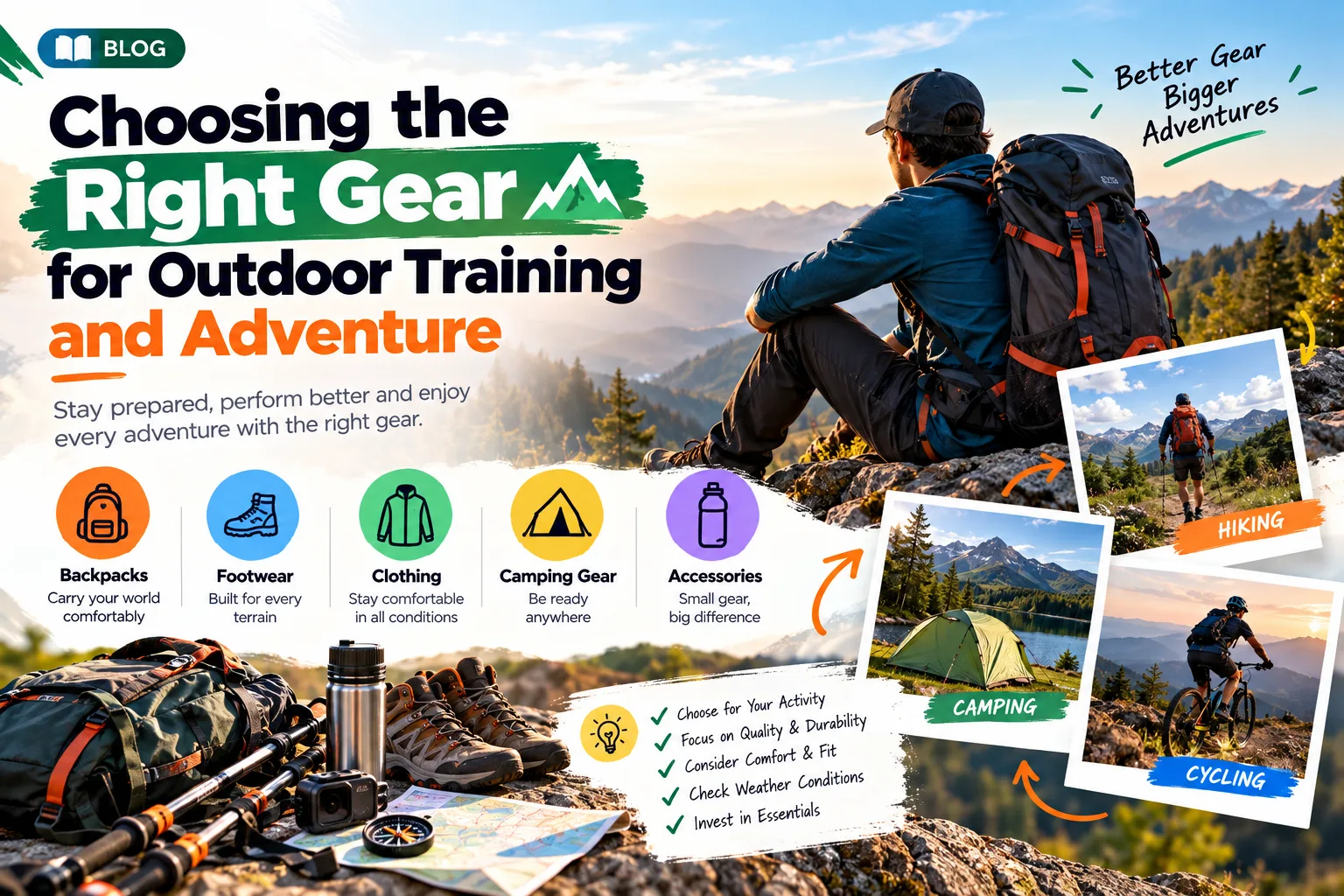
The right gear for outdoor training depends on your activity, the terrain and the weather, not on how many features a product has.
Outdoor exercise offers something that a gym often can't: changing scenery, fresh air, and the opportunity to turn training into an adventure. Whether you're hiking through a new trail, running outdoors, cycling, or exploring unfamiliar terrain, the right equipment can make your experience more organized and enjoyable.
The key is choosing gear around the activities you actually do rather than buying equipment simply because it has a long list of features.
What Gear Do You Need for Outdoor Training?
Think about where you train, how long your sessions last and what conditions you face. Outdoor training gear should make you safer and more comfortable, not weigh you down.
- Choose footwear made for your terrain: road, trail or hiking.
- Dress in 2–3 breathable layers you can add or remove.
- Carry at least 500 ml of water for sessions over 1 hour.
- Bring a charged phone or GPS device for navigation.
- Review your kit every 6 months and replace worn items.
Good gear should support the activity rather than complicate it. Comfort and safety should always come before extra features.
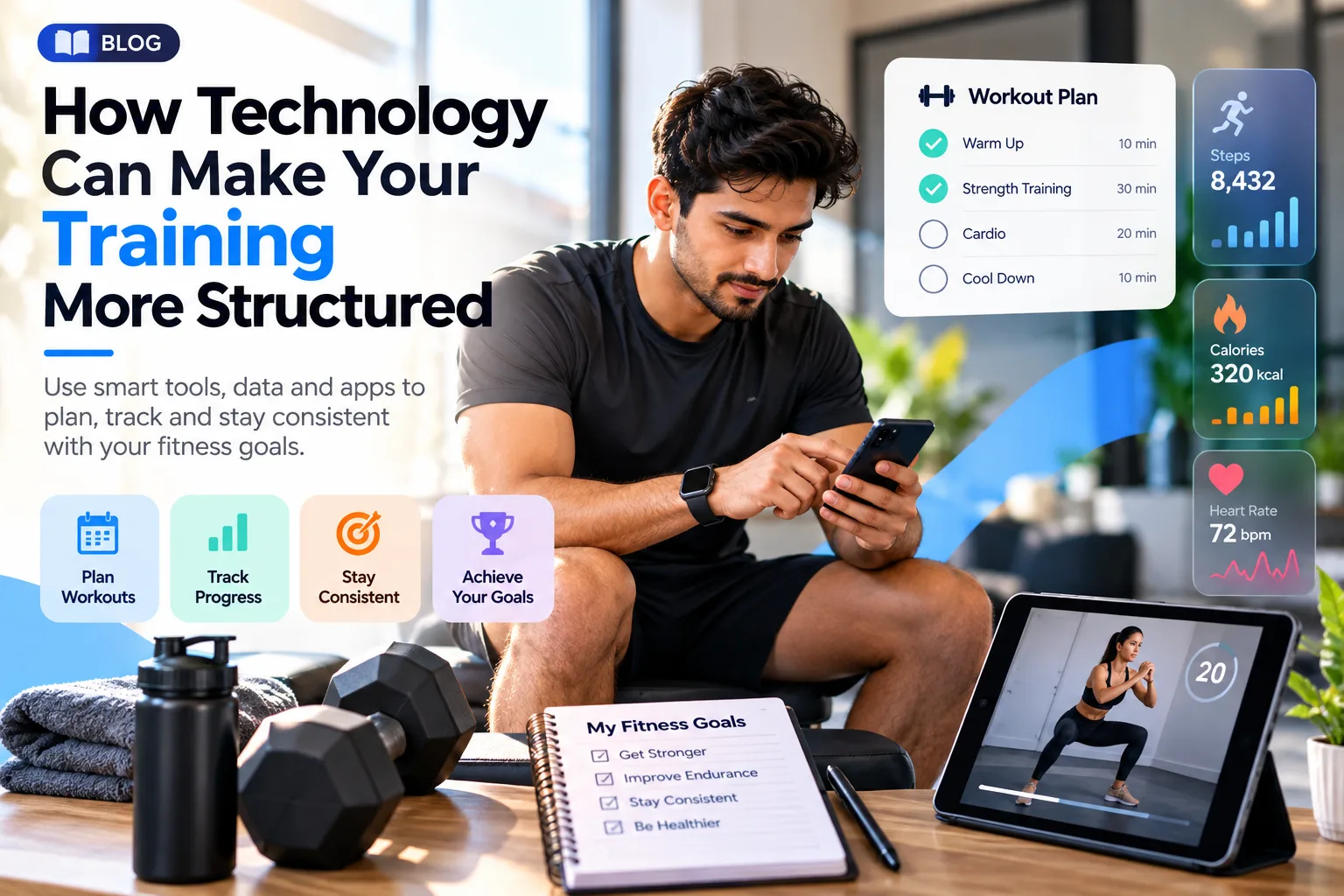
Related reading: How Technology Can Make Your Training More Structured
Start With Your Activity
The first question to ask is what kind of outdoor activity you enjoy most.
A casual weekend hiker may have very different requirements from a trail runner or someone who regularly spends hours cycling through challenging terrain.
For people who participate in multiple activities, sports watches can be useful because they can bring information about different workouts and outdoor activities into one device.
Think about the information you actually want to track before choosing a watch. Distance, duration, route information, elevation, heart rate, and other metrics can all be useful depending on your activity.
Navigation Can Be Valuable Outdoors
Getting lost isn't exactly the adventure most people have in mind.
When you're exploring unfamiliar trails or remote areas, navigation features can provide useful information about where you've been and where you're going.
GPS watches can be particularly useful for runners, hikers, cyclists, and other outdoor enthusiasts who want location and route information without constantly checking their phone.
For longer adventures, also consider battery life and how frequently you'll need to recharge the device.
Think Beyond the Watch
Outdoor training usually involves more than one piece of equipment.
Depending on your activity, your kit might include appropriate footwear, hydration equipment, weather protection, backpacks, lights, and other accessories.
The best outdoor sports gear is gear that solves a real problem during your activity.
For example, hikers may prioritize navigation and weather resistance, while trail runners may care more about weight and portability.
Prepare for Longer Adventures
If you're planning to spend several hours outdoors, preparation becomes even more important.
Check the weather before leaving, carry enough water and food, and make sure your phone and other electronic devices have sufficient battery.
For people who regularly explore unfamiliar environments, adventure watches can add another layer of useful information to an outdoor setup.
A watch doesn't replace proper preparation, navigation knowledge, or appropriate safety equipment, but it can complement them.
Track Your Progress
One of the benefits of using technology during outdoor activities is being able to review what you actually did.
You might discover that your usual route is longer than expected, notice changes in your pace, or compare different workouts over time.
This can make training more structured without taking away the enjoyment of being outdoors.
SUUNTO develops sports watches and other equipment aimed at outdoor activities, training, diving, and exploration. (suunto.com)
Choose Features You'll Actually Use
It's easy to get distracted by a long feature list.
Instead, identify the features that would genuinely improve your activities. If you hike regularly, navigation may be more important than advanced running metrics. If you're a runner, training data may matter more.
Fitness trackers can provide useful information about activity and exercise, but the value ultimately comes from how you use that information.
Build Your Outdoor Setup Gradually
You don't need to purchase every piece of equipment immediately.
Start with the essentials for your main activity and add equipment as your interests develop. A reliable watch, comfortable footwear, suitable clothing, and basic safety equipment can form the foundation of an outdoor setup.
SUUNTO can be explored by people looking for sports and outdoor equipment designed around training, navigation, and adventure.
Frequently Asked Questions
What gear do I need for outdoor training?
Start with suitable footwear and weather-appropriate layers, then add tools such as a GPS watch, hydration and safety items for longer sessions.
Is a GPS watch useful for outdoor activities?
Yes. A GPS watch can track routes, distance and pace, and some models offer navigation for trails and remote areas.
How do I prepare for changing weather?
Check the forecast, dress in layers and carry a lightweight waterproof jacket on longer outings.
Final Thoughts
The best outdoor setup is ultimately the one that helps you explore confidently while allowing you to focus on the activity itself.